Discover Nepal
A nation between mountains and myth
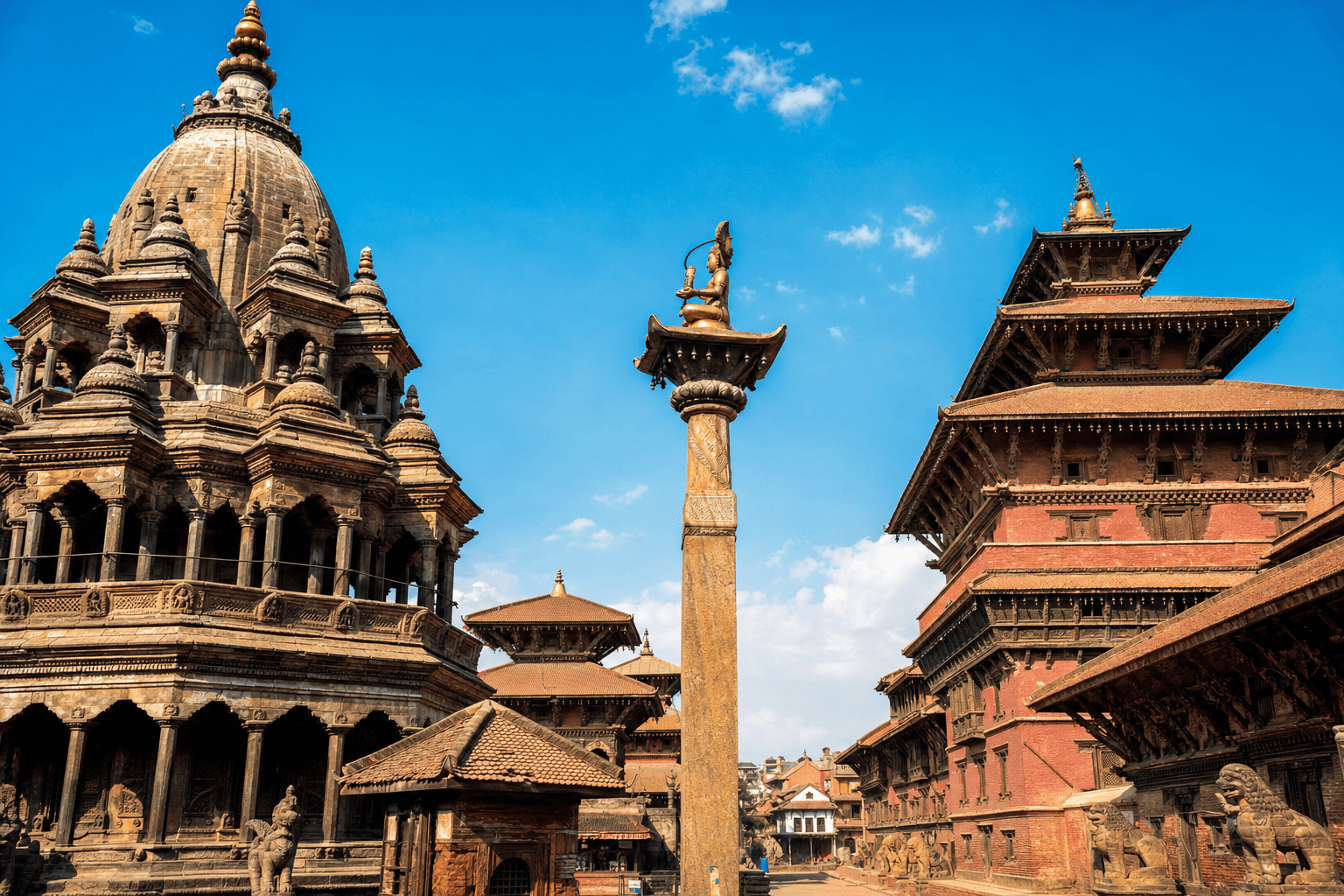
Squeezed between the Tibetan plateau and the plains of India, Nepal has long been a resting place for traders, travellers, and pilgrims — with the Kathmandu Valley at its heart.
Why Nepal captivates
Ancient cities. Living faith. The roof of the world.
Over centuries Nepal’s borders expanded and contracted, yet the valley remained the cultural centre — a crossroads where Himalayan, Tibetan, and South Asian worlds meet.
01
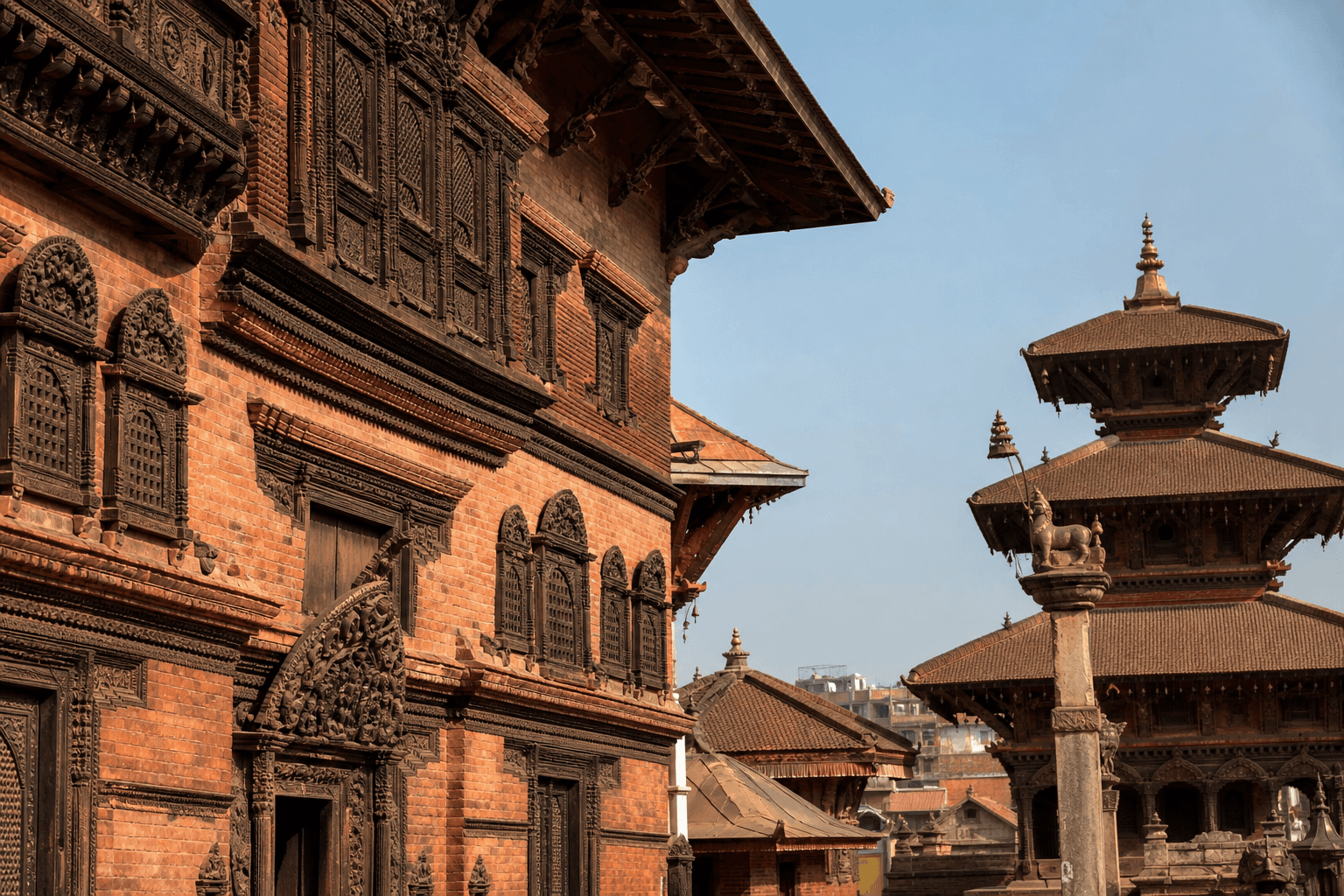
Kathmandu Valley
Temples, courtyards, and living cities at the heart of Nepal’s story.
02
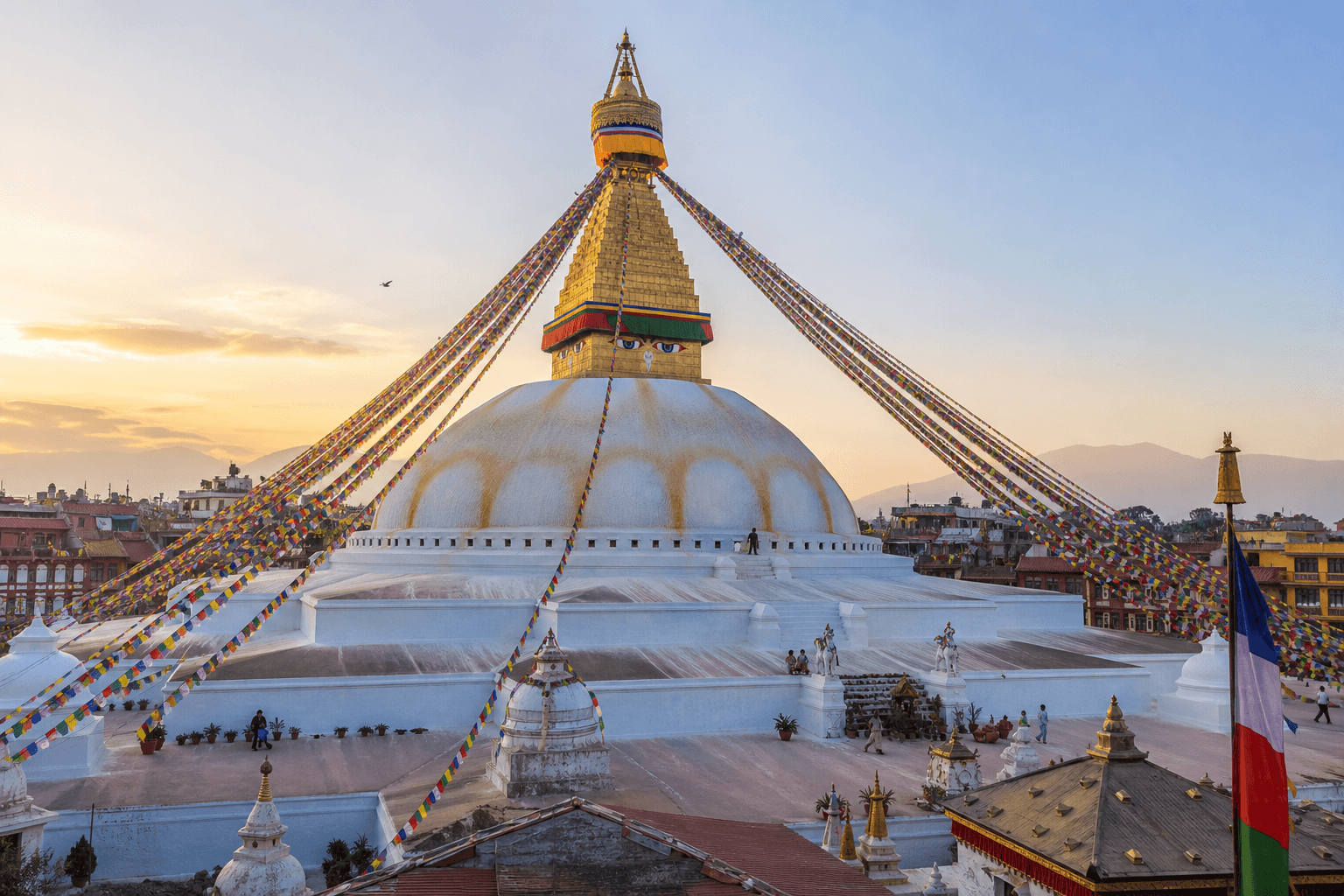
Sacred landmarks
From Boudhanath’s great stupa to hilltop shrines watching over the valley.
03
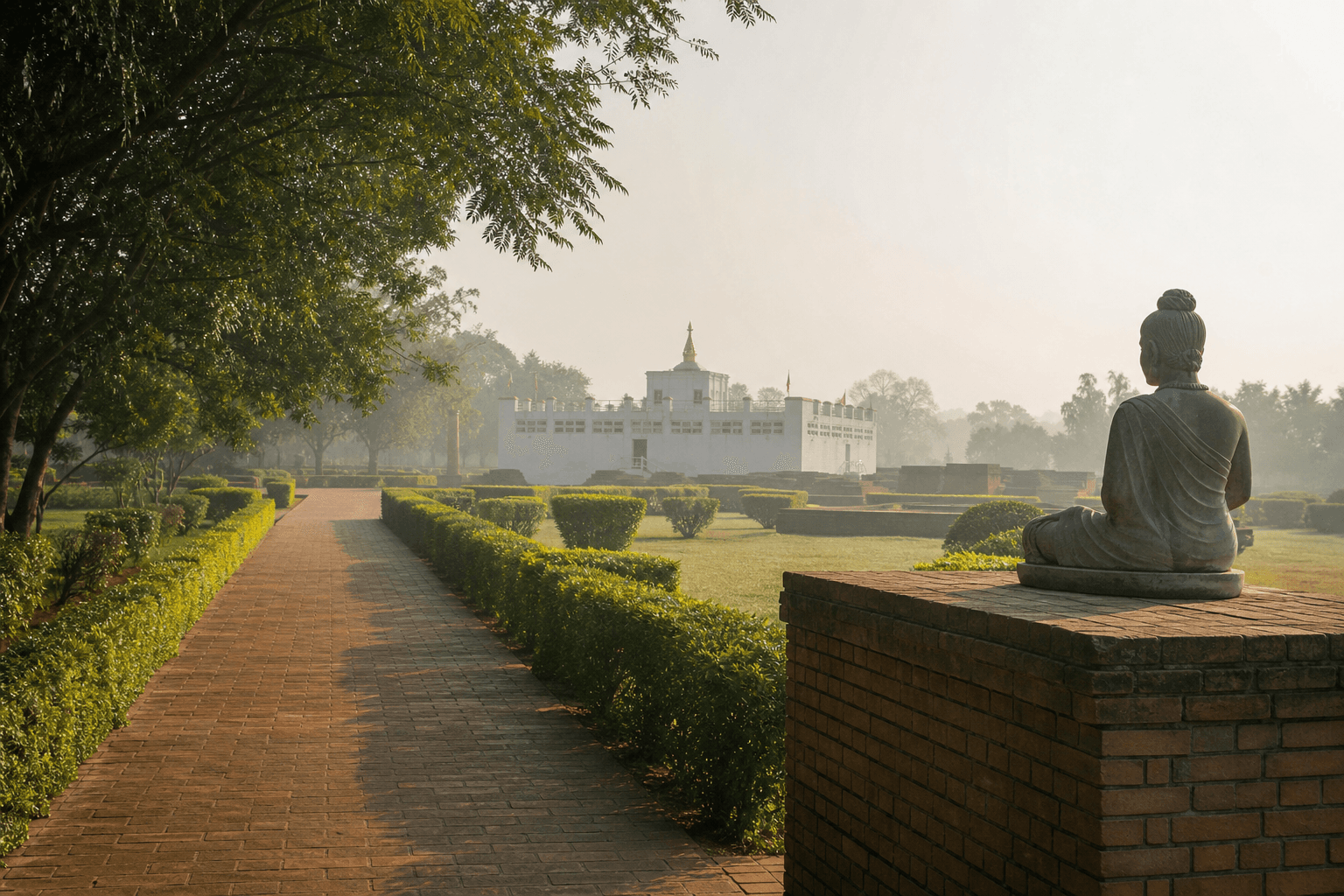
Birthplace of the Buddha
Lumbini remains one of the world’s most important pilgrimage destinations.
Through the centuries
A brief journey through Nepal’s history
- 1
Ancient roots
Kiratis & the Buddha
Nepal’s recorded history begins with the Kiratis in the Kathmandu Valley. In the 6th century BC, Siddhartha Gautama was born near Lumbini and later became the Buddha — a turning point for the region and the world.
- 2
Golden centuries
Licchavis to the Mallas
Licchavi rule brought cultural brilliance still visible in valley temples. Later, the Malla kingdoms of Kathmandu, Patan, and Bhaktapur competed in art and architecture — leaving Durbar Squares that define Nepal’s heritage today.
- 3
A unified nation
Shahs, Ranas & republic
Prithvi Narayan Shah unified Nepal in the late 18th century. After the Rana era and decades of political change, Nepal became a federal democratic republic in 2008 — ending 240 years of monarchy.
Ready to explore Nepal?
See destinations, trekking regions, wildlife, and practical tips for visitors.
Continue exploring
More paths from the Consulate site.